
Patented Body Silk technology
Patented Karada Silk Technology
A patented technology that dissolves silk in water without destroying its porous structure.
By making it into an aqueous solution, it is expected to be applied to various products.

The Value of Silk as a Material
Silk, born from silkworms, is called the "Queen of Fibers" and is a natural material that has captivated people since ancient times. Its beautiful luster, soft touch, UV protection, and ability to maintain the skin at a comfortable temperature and humidity are some of its well-known characteristics.

Silk: A natural functional material that continues to fascinate people
The component that exhibits these characteristics is silk's "high-molecular silk fibroin."
Also Active in the Medical Field
This "high-molecular silk fibroin" has been used for a long time as surgical sutures in the medical field. The reasons for this include:
- Silk is a natural material with excellent compatibility and safety with the body.
- It maintains a certain strength.
Other Possibilities of Silk
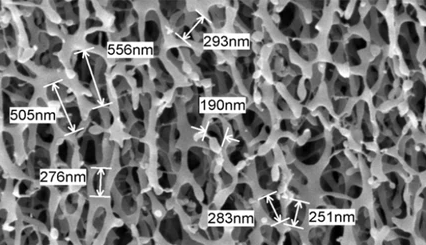
The antioxidant properties of silk are expected to be utilized in cosmetics, supplements, and as a harmless food preservative. For "SILKFULL," the utilization of its nano-level porous structure, which is difficult to create artificially, is also a major possibility.
What are the benefits of a porous structure?
In the case of fibers, by containing a lot of air, it exhibits heat retention and moisturizing properties. For internal intake, it is possible to absorb invisible fine substances into its tiny pores.
The Excellence of Patented "Karada Silk" Technology
It has been difficult to stabilize silk in a dissolved state in water for easy ingestion as a liquid or for use in cosmetics. However, this patented technology allows the porous structure to be maintained even when dissolved in water, maximizing the functions of silk.

Patented technology that succeeded in liquefaction while maintaining a porous structure
Reasons for Venturing into Silk Products
A Chance to Reconsider Life and Work
During the spread of COVID-19, I had time to re-examine my life and work. At that time, I thought... "Am I doing work that my children can be proud of?" and "Is there anything I can do for Japan, my roots?"
Current Situation Learned Through Fashion Work
Originally, I worked in fashion, so I had many contacts with people who made raw materials and fabrics. That's where I learned about the current state and potential of the silk industry.
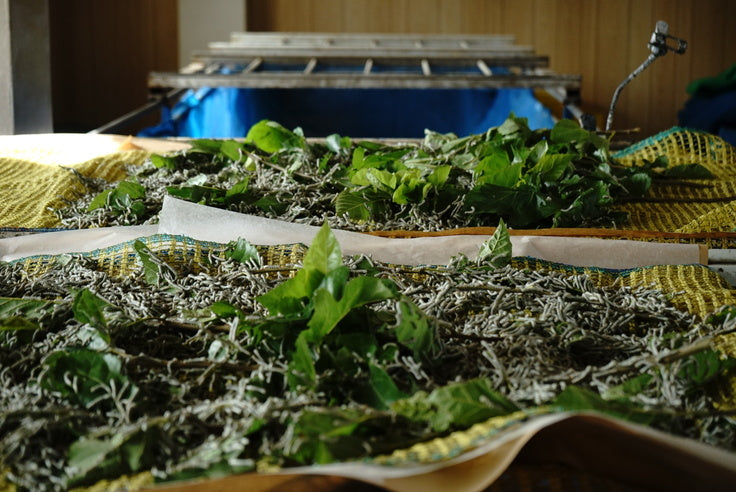
Before the war, Japan was the world's leading silk nation. The 2 million silk farms have now decreased to 200. Many parts are covered by subsidies, and the domestic industry was actually shrinking.
Future Potential Hidden in Silk
Compared to chemical materials, silk has less environmental impact during its production and disposal processes. It can contribute not only to clothing but also to supplements, medicine, cosmetics, and even food loss by being used as a preservative.
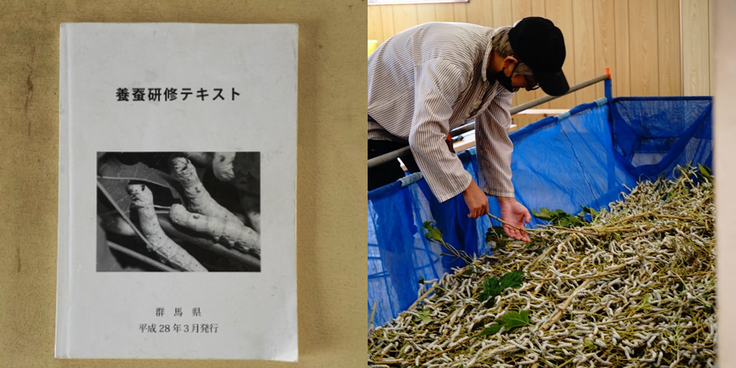
Our Initiatives
Attracted by the wonderful potential of "silk," I became independent and am now conducting research and product development while engaging in sericulture.
Through these activities, we hope to realize our initial goals of "maintaining and protecting an environment where children can live in the future" and "revitalizing Japanese industry."